
Before you carry this year’s landscape budget into next year, consider what your property needed beyond routine maintenance.
Did the same turf areas keep thinning? Were irrigation repairs frequent? Did you replace shrubs in a bed where plants have struggled before?
For commercial properties in Boise, Nampa, and Salt Lake City, November is a useful time to review those patterns. Summer’s challenges are still fresh, and there is time to evaluate improvements before spring work begins.
The goal is to identify which problems deserve a planned investment and what needs to change so you are not paying to address the same issue again.
Irrigation Problems That Keep Returning
Repeated sprinkler repairs, uneven coverage, and persistent wet or dry areas deserve a closer look during budget planning.
Some issues can be resolved through routine adjustments. Others may require replacing worn components, correcting pressure problems, or modifying zones as the landscape matures.
For example, turf and established shrubs sharing a watering zone may have different needs. Adjusting the schedule alone may not provide an effective long-term solution.
Review this year’s irrigation repair costs, water use, work orders and documented trouble spots with your landscape partner. Multiple repairs in the same area may indicate that budgeting for a system correction will cost less over time than continuing to approve individual repairs. If the cause is unclear, budget for an irrigation assessment before committing to equipment upgrades.
Turf That Requires Repeated Repairs
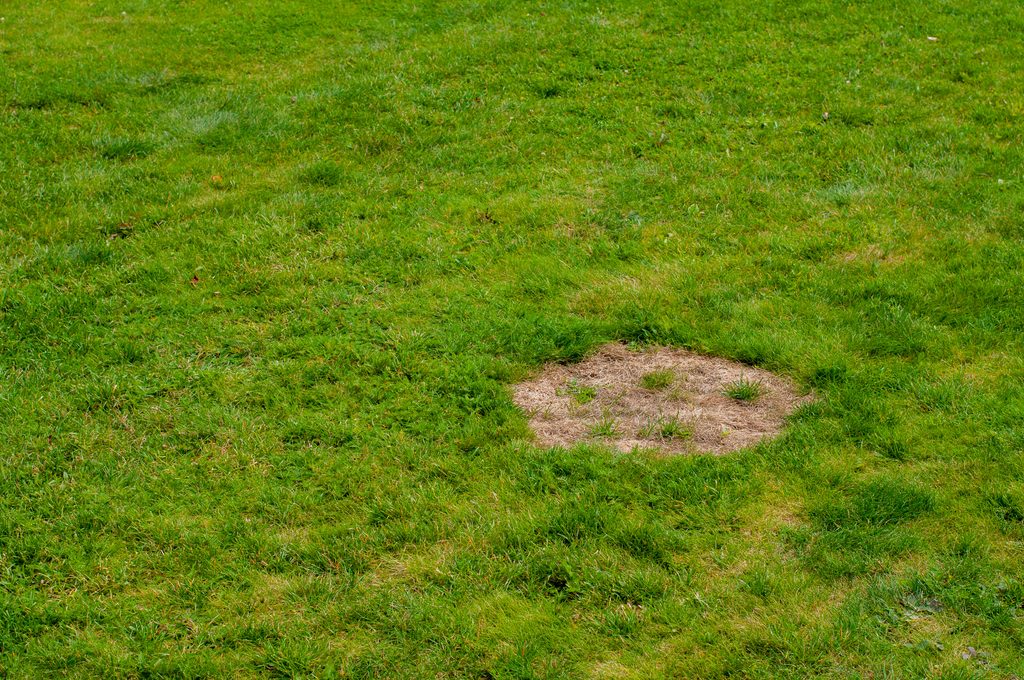
If the same lawn area needs new seed or sod each year, include an evaluation of the growing conditions in next year’s plan.
Thin turf may be related to:
- Compacted soil
- Heavy pedestrian traffic
- Increasing shade
- Uneven irrigation coverage
- Poor drainage
The appropriate investment depends on the cause. Compacted turf may benefit from aeration during active growth, while an informal walking route may need a designated path. In heavily shaded areas, a different planting approach may be more practical than another turf replacement.
Addressing the site condition gives the repair a better chance of lasting.
Trees and Shrubs That Consistently Struggle
Repeated plant replacement can become a predictable expense without producing a healthier landscape.
Before budgeting for another round of replacements, ask why the existing plants declined. Across southern Idaho and northern Utah, alkaline soils, compacted sites, reflected heat from pavement, winter exposure and irrigation conditions can all contribute to poor plant performance. In some locations, soil or drainage testing may be more valuable than simply replacing another struggling plant.
On properties where landscape beds border heavily treated sidewalks or parking areas, salt exposure may also contribute to recurring plant decline.
A shrub beside a hot parking lot may need a different location or replacement species. A tree with recurring yellow leaves may need a diagnosis before additional fertilizer or water.
Plan for both the evaluation and the corrective work. Replacement plants should suit the site’s sunlight, soil, available space, and watering conditions.
Drainage Issues That Affect Property Use
Standing water, muddy landscape edges, and runoff across sidewalks should be documented for review.
Poor drainage can affect root health and limit how people use outdoor areas. Compacted soil can also restrict water movement, so the visible low spot may be only part of the problem.
Budget for an assessment before choosing a solution. Depending on the findings, work might involve irrigation corrections, soil improvements, grading, or drainage modifications.
Active hazards and water affecting buildings need prompt attention rather than waiting for next year’s improvement schedule.
Landscape Areas That No Longer Fit the Property
Some areas remain difficult to maintain because the property has changed around them.
Trees may have outgrown narrow beds. Shrubs may obstruct signs or require frequent trimming to keep walkways clear. An entrance may look sparse despite regular maintenance because the planting layout no longer works.
These areas may warrant a planned renovation. Define the purpose first: improve visibility, provide appropriate clearance, replace unsuitable plants, or refresh a prominent entrance. That gives your landscape partner a clear basis for recommendations and pricing.
Turn the Findings Into a Prioritized Plan
A useful improvement budget connects each proposed project to a documented problem.
For each item, record:
- The location and recurring concern
- The evaluation or corrective work needed
- The proposed scope and estimated cost
- The appropriate season for completion
- Whether the project can be completed in phases
Address immediate safety concerns promptly. Then prioritize work that corrects recurring failures or protects existing landscape assets. Appearance improvements can follow according to property goals and available funding.
At Cutting Edge, we help commercial property managers review landscape conditions and plan improvements around their property’s needs.
Contact us today to discuss which landscape problems to prioritize in next year’s budget.