
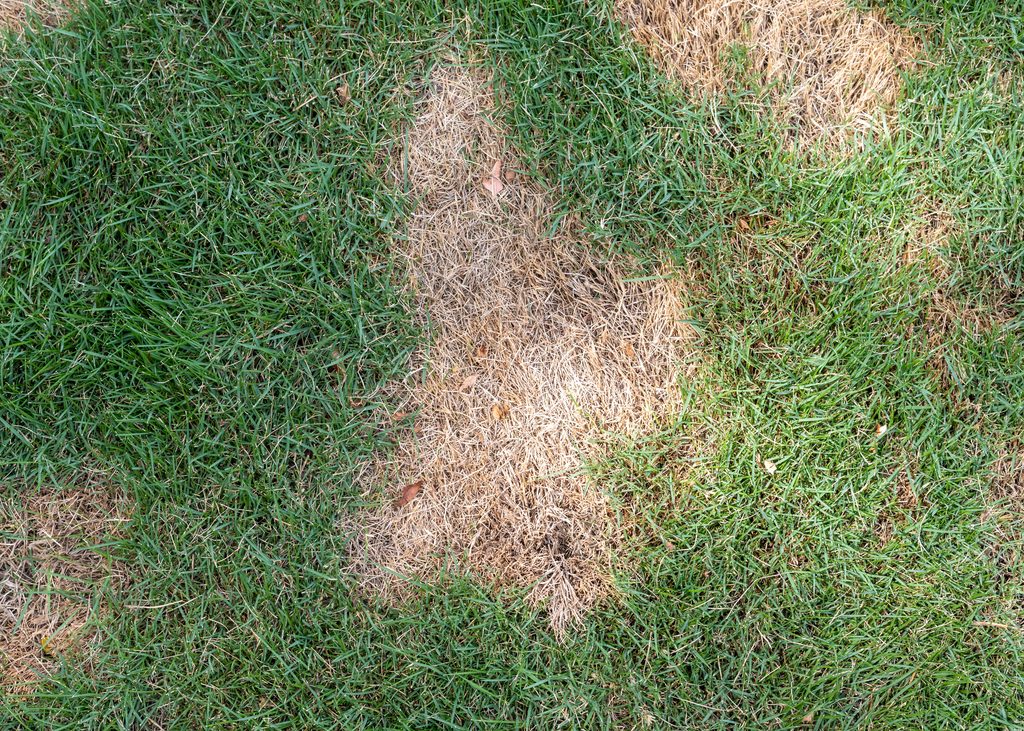
If the same weeds, brown turf, struggling plants, or irrigation problems show up on your property year after year, the issue may not be the visible symptom.
Landscapes work as systems. Turf, soil, irrigation, plants, drainage, pests, and maintenance practices all affect one another. That means a recurring problem often continues because the underlying site condition was never corrected.
For commercial properties in Boise, Nampa, and Salt Lake City, September is a useful time to look back at what happened during summer and identify the patterns that keep repeating.
Recurring Weeds Usually Have a Reason
Spraying weeds may remove what is visible, but it does not always change the conditions that allowed them to grow.
Thin turf, bare soil, compaction, irrigation problems, and disturbed landscape beds can all create openings for weeds. Some perennial weeds can also survive through roots, rhizomes, or tubers and return after the top growth is removed.
If the same weeds keep appearing in the same areas, the better question may be: What is making this area favorable for weeds?
Building stronger turf, improving bed coverage, correcting irrigation, and addressing soil conditions can be just as important as controlling the weeds themselves.
Brown Turf May Not Be a Watering Problem
A brown area that appears every summer is easy to blame on drought. But recurring turf decline can also come from uneven sprinkler coverage, compacted soil, mowing stress, disease, insects, drainage problems, or heat reflected from pavement.
In Boise, Nampa, and Salt Lake City, efficient irrigation is especially important because commercial landscapes rely heavily on supplemental water during hot, dry summers. At the same time, too much water can create its own root and disease problems.
Before increasing irrigation, look at the pattern. A dry strip along a sidewalk, an isolated patch, and an entire irrigation zone may each point to a different cause.
Replacing Plants Does Not Fix a Bad Location
If shrubs or perennials repeatedly fail in the same bed, replacing them with more of the same may only restart the cycle.
Plant performance depends on sun exposure, soil, drainage, irrigation, mature size, and water needs. Regional soils can also be alkaline, compacted, low in organic matter, or affected by salts.
Repeated plant loss may signal that the species is poorly matched to the location or that the root-zone conditions need attention.
Sometimes the better long-term solution is a different plant, irrigation adjustment, soil improvement, or redesign of the area.
Irrigation Problems Can Affect the Entire Landscape
A single irrigation issue can create several different symptoms. Uneven coverage may produce brown turf in one area and overwatered plants in another. Poor scheduling can contribute to runoff, weeds, disease, or declining roots.
That is why recurring dry spots, soggy areas, overspray, and runoff should be treated as clues rather than isolated annoyances. Before jumping to fertilizer or pest treatments, check water, irrigation coverage, and drainage.
Look for Patterns, Not Just Problems
When the same landscape issue comes back every year, start by asking:
- Does it happen in the same location?
- Does it appear at the same time each year?
- Did it begin after heat, irrigation changes, construction, or another event?
- Are soil, drainage, shade, or traffic contributing?
- Has the cause been corrected, or only the visible damage?
For commercial property managers, documenting these patterns can make maintenance planning more effective and help prevent the same repair from becoming an annual expense.
Fix the Cause Before the Symptom Returns
Recurring landscape problems are often a sign that the property needs more than another treatment.
September is a good time to review the issues that appeared during summer and decide whether the next step is better irrigation, soil correction, turf renovation, plant replacement, drainage work, or another targeted improvement.
Cutting Edge Landscape can help evaluate recurring problems across your commercial property and build a maintenance or improvement plan around the site conditions causing them. Our commercial maintenance approach is designed around proactive property care, long-term planning, and preventing repeated issues rather than relying only on one-time fixes.
Contact us today to schedule an evaluation!