
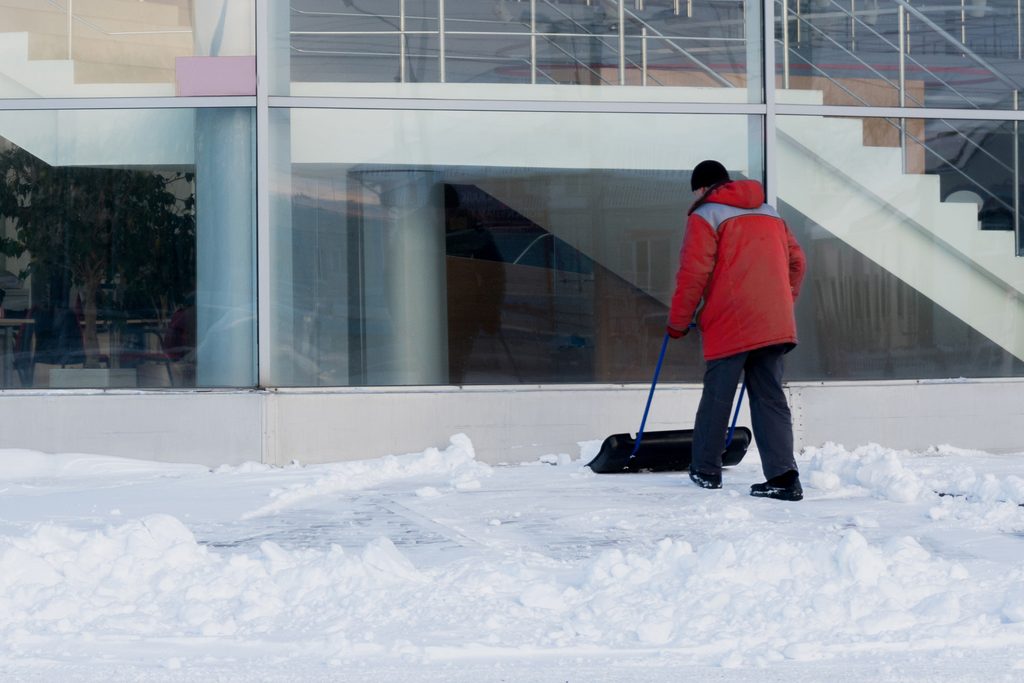
Snow and ice management begins before the first storm reaches the forecast.
For commercial properties in Boise, Nampa, and Salt Lake City, fall is the time to determine how snow will affect entrances, sidewalks, parking areas, loading zones, emergency routes, and the surrounding landscape.
A clear plan helps crews respond more efficiently, keeps everyone aligned on property priorities, and supports safer, more accessible conditions throughout the winter.
Begin With a Preseason Property Walk-Through
A preseason walk-through allows property managers and snow teams to inspect the site while pavement markings, curbs, landscape features, and drainage areas are still visible.
During the walk-through, identify:
- Primary entrances and exits
- High-traffic sidewalks
- ADA-accessible routes and parking spaces
- Emergency access points and fire lanes
- Loading docks and delivery areas
- Employee entrances
- Parking-lot traffic patterns
- Drainage structures and low areas
- Curbs, islands, signs, and utility equipment
The property’s operating hours should also be considered. A retail center that opens early, for example, may have different service priorities than an office property or industrial facility.
Establish Priority Areas
Not every area can always be cleared at the same time during an active storm. Identifying priority zones beforehand helps crews focus first on the areas that are most important to property operations.
Priority areas often include main entrances, emergency routes, accessible walkways, loading zones, and heavily used drive lanes. Secondary parking areas or less frequently used sidewalks may be addressed later based on the property’s plan and the severity of the event.
These priorities should be documented and communicated to everyone involved. Clear expectations reduce confusion when conditions change quickly.
Select Snow-Storage Locations
Plowed snow needs to be stored where it will not interfere with traffic, visibility, drainage, or pedestrian movement.
Avoid placing large snow piles near:
- Fire lanes or emergency access routes
- Accessible parking spaces
- Building entrances
- Intersections and drive-lane sightlines
- Storm drains
- Monument signs
- Sensitive trees and shrubs
- Irrigation components
- Areas where melting snow may refreeze across pavement
Snow storage can become more challenging during winters with repeated storms. Properties with limited space may need a plan for relocating or hauling snow if piles begin reducing parking capacity or blocking important areas.
Mark Features That Could Be Hidden by Snow
Once snow accumulates, curbs, landscape islands, irrigation equipment, drainage features, and pavement edges may be difficult for equipment operators to see.
Install visible markers around vulnerable or easily damaged features before the ground freezes. This can help crews navigate the property and reduce accidental damage during plowing.
Existing damage should also be documented. Photograph cracked curbs, damaged pavement, loose wheel stops, and other concerns before the season begins. These records create a clear baseline for the property.
Inspect Pavement and Drainage
Small exterior problems can become more noticeable during freeze-thaw cycles.
Cracks and depressions may collect water that later freezes. Clogged drains can allow melting snow to pool in pedestrian or vehicle areas. Uneven pavement can also make snow removal more difficult.
Before winter, inspect the property for:
- Cracked or uneven pavement
- Potholes and low areas
- Blocked storm drains
- Damaged curbs
- Areas with recurring standing water
- Loose wheel stops or signs
- Drainage patterns that cross walkways
- Areas known for repeated refreezing
Some repairs may need immediate attention. Other findings can be documented for future budgeting and improvement planning.
Protect the Surrounding Landscape
Snow management decisions can affect turf, trees, shrubs, and planting beds long after winter ends.
Heavy piles of compacted snow can bend or break plant material. Snow collected from treated pavement may also contain deicing materials that can stress sensitive plants and soil.
Designated snow-storage areas should account for the landscape beneath and around them. When possible, avoid concentrating plowed snow around young trees, valuable shrubs, narrow turf strips, or high-visibility planting beds.
Irrigation systems should also be winterized before hard freezes arrive, and exposed components should be identified so they are not damaged during snow operations.
Review Deicing and Pretreatment Plans
Snow removal and ice management are related but separate parts of winter service. Plowing removes accumulated snow, while anti-icing and deicing treatments help manage snow and ice bonding to pavement.
Before winter, determine which entrances, sidewalks, ramps, drive lanes, and other areas may require treatment. Product selection and application rates should reflect pavement conditions, temperature, weather, property use, and nearby landscape features.
Applying more material is not always better. A planned approach supports effective treatment while reducing unnecessary buildup around pavement and plants.
Establish a Communication Process
Property managers and service teams should know how information will be shared before, during, and after a storm.
A communication plan should identify:
- Primary and backup contacts
- Property operating hours
- Priority service areas
- Access instructions
- Special events or deliveries
- Emergency procedures
- Service documentation expectations
- How changing conditions will be reported
Weather can shift quickly across southern Idaho and northern Utah. Clear communication helps the snow team adjust to changing temperatures, snowfall totals, traffic, and property needs.
Prepare Before Snow Is in the Forecast
Once a storm is approaching, there may be little time to choose storage areas, repair pavement, install markers, or clarify service priorities.
Preparing in fall gives property managers and snow teams time to build a site-specific plan while the entire property is easy to inspect. That preparation supports a more organized response, protects important property features, and helps maintain access throughout the snow and ice season.
Contact us today to schedule a preseason property walk-through and prepare a site-specific snow response plan before winter weather arrives.